Getting Started with WordPress: A Beginner’s Step-by-Step Guide

Discover how to create your own website with this beginner’s step-by-step guide to WordPress! Learn the essentials of setting up a WordPress site, from choosing a domain and hosting to customizing themes and adding plugins. Perfect for new users, this WordPress tutorial for beginners covers the dashboard, SEO basics, and security tips to help you build a mobile-friendly site with ease. Start your blogging journey today!

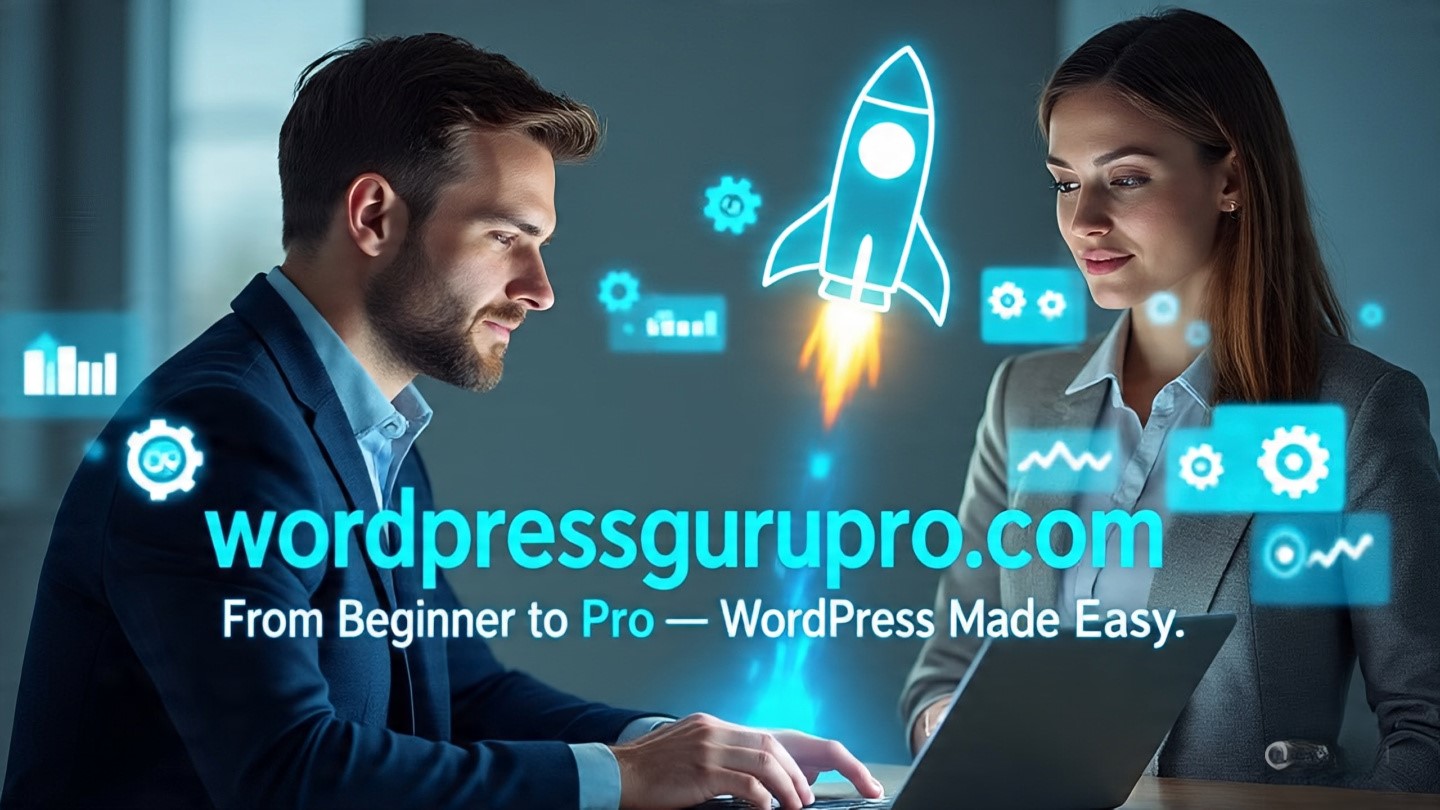
A person setting up a WordPress website on a laptop, surrounded by icons of WordPress dashboard, themes, plugins, and SEO tools, ideal for a WordPress beginner guide.

Introduction

Imagine this: you have a brilliant idea, a passion project, or a business you want to share with the world—but the thought of building a website feels intimidating. That’s where WordPress comes in. With this WordPress beginner guide, even complete novices can confidently start a WordPress blog or launch a professional website without feeling overwhelmed.

Whether you’re wondering how to use WordPress for beginners or trying to figure out how to create a WordPress website from scratch, this guide walks you through every step. From installing WordPress to choosing the perfect theme, adding essential plugins, setting up menus, and customizing your site—you’ll learn how to build a WordPress site that looks polished and works seamlessly, all without writing a single line of code.

WordPress powers over 43% of all websites worldwide, and for good reason—it’s flexible, beginner-friendly, and endlessly customizable. By the end of this guide, you’ll not only have your site live but also optimized for speed, SEO, and security, ready to make an impact online. Your website journey starts here—let’s turn your idea into a digital reality!


Why Choose WordPress?

WordPress is the world’s most popular website builder—powering over 43% of all sites online. Free, open-source, and beginner-friendly, it gives you full control over your website without needing coding skills.

From personal blogs to e-commerce stores, WordPress offers endless flexibility with themes, plugins, and the easy-to-use Gutenberg editor. You can set up menus, widgets, SEO tools, and mobile-friendly designs in just a few clicks.

With a massive community, continuous updates, and hosting providers offering one-click installs, WordPress remains the top choice for beginners who want to create a professional, customizable, and scalable website.

To put this into perspective, here’s a comparison table of WordPress against other popular platforms, showcasing why it’s a top choice for beginners:

PlatformEase of UseCostCustomizationCommunity SupportMobile-Friendly
WordPressHighFree (with optional paid add-ons)Very HighExcellentYes
WixVery HighPaid plans starting at $16/monthMediumGoodYes
SquarespaceHighPaid plans starting at $16/monthMediumGoodYes
ShopifyMediumPaid plans starting at $29/monthHighExcellentYes

This table highlights WordPress’s edge in cost-effectiveness and customization, key factors for those learning how to build a WordPress site. Its ability to support a mobile-friendly website ensures your audience enjoys a seamless experience across devices, a critical aspect of modern website design.

Visualizing this dominance, the bar chart below reflects the CMS market share in 2025, with WordPress leading the pack:

WordPress
62.1%
Shopify
6.6%
Wix
4.6%
Squarespace
3.2%
Joomla
2.0%
Drupal
1.5%
Others
20.0%

Moreover, the historical growth of WordPress’s market share, as shown in the line chart below, underscores its rising popularity among those seeking to create a WordPress website:

This growth trajectory, from 15% in 2011 to 50% in 2025, demonstrates why WordPress remains a go-to option for those seeking to how to create a WordPress website or how to build a WordPress site. Its ability to adapt to emerging trends, such as mobile-friendly website demands and website traffic growth strategies, solidifies its position. With this foundation, you’re ready to explore the practical steps of setting up your own WordPress site, tailored to your unique vision and needs.


Choosing the Right Hosting and Domain

Before building your WordPress site, you’ll need two essentials: hosting (your site’s storage space on the internet) and a domain name (your site’s address, like yoursite.com). Together, they form the foundation of your online presence.

Free options like WordPress.com are good for beginners, but for full control, flexibility, and SEO benefits, a self-hosted WordPress.org setup is the best choice. Reliable providers such as Bluehost, Hostinger, SiteGround, and DreamHost offer one-click WordPress installation, affordable plans, and often a free domain for the first year—making it easy to get started the right way.

Selecting the right host depends on your specific needs, budget, and technical comfort level. Here’s a detailed comparison table of beginner-friendly hosting providers, updated for 2025, to guide your decision-making process:

HostStarting PriceFree DomainOne-Click InstallUptime GuaranteeAdditional Features
Bluehost$2.95/monthYesYes99.9%Free SSL, 24/7 support, scalable plans
SiteGround$2.99/monthNoYes99.99%SuperCacher, daily backups, premium support
Hostinger$2.99/monthYesYes99.9%LiteSpeed servers, AI tools, hosts 5.2M+ WordPress sites
DreamHost$2.59/monthYesYes100%Unlimited bandwidth, 97-day money-back guarantee

Hosting & Domain at a Glance

Choosing the right hosting and domain is key to a smooth WordPress setup. Bluehost is beginner-friendly with strong support, SiteGround offers top speed and performance, Hostinger provides affordable plans with AI tools and CDN, while DreamHost guarantees 100% uptime and a long refund window.

When selecting a host, look at uptime, support, scalability, and included features like SSL. Pick a short, memorable domain—preferably a .com—for credibility and branding. A reliable host ensures faster site speed, better SEO, and room for growth, giving your WordPress site the strong foundation it needs.


Installing WordPress: Simple & Beginner-Friendly

Installing WordPress is quick and easy, especially with hosting providers like Bluehost, Hostinger, or SiteGround that offer one-click installation. Just log into your hosting control panel, select WordPress, enter your site details, and your site goes live within minutes—ready for themes, plugins, and customization.

For advanced users, manual installation via FTP and database setup is possible, but beginners are best served with the one-click method. After installation, the 5-minute setup lets you create your admin login, access the WordPress dashboard, and start building your site with ease.

The WordPress dashboard is your site’s control center, accessible at yoursite.com/wp-admin. From here, you can manage posts, pages, media, themes, plugins, users, and settings—all in one intuitive interface.

The left sidebar organizes key menus, while the main screen provides quick insights into site activity and stats. Beginners can explore at their own pace, customizing widgets and layouts to suit their workflow. Mastering the dashboard is essential for managing content, installing themes and plugins, optimizing SEO, and growing your site efficiently.

Selecting and Customizing a Theme: Defining Your Site’s Identity

In your WordPress beginner guide, choosing and customizing a theme defines your site’s look and feel, crucial when learning how to start a WordPress blog, how to use WordPress for beginners, how to create a WordPress website, or how to build a WordPress site. Themes shape your site’s design and functionality. Browse free responsive themes like Astra, OceanWP, or Neve, or explore premium options for advanced features. Install your chosen theme via Appearance > Themes, then customize colors, fonts, headers, footers, layouts, and mobile responsiveness using Appearance > Customize. Start simple, then expand with plugins or child themes as you grow.


Adding Functionality with Plugins: Enhancing Your WordPress Experience

Plugins extend your WordPress site’s capabilities. In your WordPress beginner guide, essential plugins include Yoast SEO (optimize content), Elementor (drag-and-drop page builder), Contact Form 7 (forms), Akismet (spam protection), and UpdraftPlus (backups). Install via Plugins > Add New, activate, and configure. Limit plugins to avoid slowing your site. Advanced users can explore WooCommerce, security, or caching plugins to scale functionality while following your step-by-step WordPress setup.


Creating Your First Content: Bringing Your Site to Life

Creating content is a key step in learning how to start a WordPress blog, how to use WordPress for beginners, how to create a WordPress website, or how to build a WordPress site. Use the Gutenberg editor to craft posts and pages with text, images, videos, and embeds. Organize content with categories and tags, optimize for SEO, and ensure mobile-friendly layouts. Publish posts, set up static pages like “About Us” or your homepage, and manage interactions through comments and forms. This lays the foundation for engaging, search-engine-ready content.


Enhancing Site Navigation and Layout: Optimizing User Experience

Good navigation improves usability and retention. Create menus via Appearance > Menus with clear structure and dropdowns for categories. Use widgets in sidebars and footers for search bars, recent posts, social links, or custom content. Prioritize simplicity, mobile responsiveness, and descriptive labels to enhance your WordPress website for beginners while supporting SEO and a professional site layout.


Optimizing for Search Engines: Unlocking WordPress SEO Potential

SEO boosts visibility and traffic. Install plugins like Yoast SEO or Rank Math to optimize titles, meta descriptions, and keywords. Focus on headings, alt text, internal links, and natural keyword placement (e.g., how to create a WordPress website). Optimize site speed, mobile responsiveness, and submit XML sitemaps to search engines. Regular monitoring with Google Analytics ensures your WordPress beginner setup is discoverable and effective.


Securing and Maintaining Your Site: Protecting Your WordPress Investment

Protect your site with strong passwords, two-factor authentication, and security plugins like Wordfence. Schedule regular backups with UpdraftPlus, keep WordPress, themes, and plugins updated, and maintain site speed. Proper maintenance ensures your WordPress website for beginners remains safe, functional, and SEO-friendly.


Improving Performance and Mobile Responsiveness: Boosting User Satisfaction

Fast, responsive sites retain users. Compress images, use caching plugins, choose responsive themes, and test mobile layouts. Integrate CDNs, optimize databases, and monitor performance via PageSpeed Insights or GTmetrix. These steps help beginners how to build a WordPress site that is mobile-friendly, high-performing, and engaging.


Driving Traffic and Engaging Users: Building Your WordPress Audience

Promote your site via social media, email newsletters, guest posts, and directories. Enable comments, add CTAs, and use plugins to collect emails or boost engagement. Monitor traffic and behavior using Google Analytics. These strategies help beginners how to start a WordPress blog, how to use WordPress for beginners, how to create a WordPress website, or how to build a WordPress site, driving repeat visits and growth.


Conclusion: Your WordPress Journey Begins

By following this WordPress beginner guide, you’ve learned how to start a WordPress blog, how to use WordPress for beginners, how to create a WordPress website, and how to build a WordPress site. You’ve selected themes, installed plugins, created content, optimized SEO, ensured security, and improved performance. Consistency, practice, and ongoing learning through WordPress tutorials will help you grow your site into a professional, engaging, and scalable online presence.


Frequently Asked Questions about Getting Started with WordPress: A Beginner’s Guide

If you’re new to WordPress and searching for answers on how to start a WordPress blog or create a WordPress website, this FAQ section covers common People Also Ask (PAA) queries. We’ve integrated key topics like step-by-step WordPress setup, WordPress dashboard, themes, plugins, and more to help beginners navigate the platform with ease.

WordPress for beginners is a user-friendly content management system and blogging platform that allows new users to build a WordPress site without coding. It includes the WordPress dashboard for easy management of themes, plugins, and content.

To start a WordPress blog, choose website hosting, install WordPress, select a theme, and use the Gutenberg editor to create your first blog post. This beginner WordPress setup also involves adding plugins for WordPress SEO.

A step-by-step WordPress setup involves registering a domain name, selecting hosting, performing WordPress installation, and customizing with WordPress themes and widgets for a mobile-friendly website.

To create a WordPress website, follow a WordPress tutorial for beginners: install the platform, choose themes, add plugins, and optimize for site speed and WordPress security.

You can find a WordPress tutorial for beginners on official WordPress resources or blogs, covering the WordPress dashboard, plugins, and how to set up site navigation.

To set up a WordPress site, start with hosting, domain, and WordPress installation, then customize menus and add a contact form for better user engagement.

How to use WordPress for beginners involves learning the dashboard, creating posts with Gutenberg editor, and managing WordPress categories and tags.

A WordPress website for beginners is a simple site built using the platform’s website builder features, including themes and plugins for customization.

To learn WordPress step by step, begin with basics like the dashboard, then move to themes, plugins, and WordPress updates for maintenance.

How to install WordPress for beginners typically uses one-click installers from hosts, followed by setting up the homepage and backup WordPress routines.

A WordPress beginner tutorial guides new users through installation, dashboard navigation, and adding blog comments for interaction.

To create a blog with WordPress, set up hosting, install the platform, and use plugins for SEO and website traffic growth.

A WordPress setup guide provides detailed steps for beginners, including domain setup, hosting, and configuring WordPress security.

Beginner WordPress tips include using responsive themes for mobile-friendly websites and regular backups to maintain site integrity.

To build a WordPress site, start with a website builder like Elementor, add plugins, and optimize for WordPress SEO to drive traffic.

These FAQs address the most common concerns for WordPress new users. For more in-depth guidance, explore our full beginner’s step-by-step guide or community forums.

Key Takeaways: Mastering WordPress for Beginners

As you conclude your journey through this WordPress beginner guide, here are the essential insights to empower your path in how to start a WordPress blog, how to use WordPress for beginners, how to create a WordPress website, and how to build a WordPress site. These takeaways distill the core lessons from your step-by-step WordPress setup, equipping you to launch and grow a successful online presence.

  • Foundational Setup Made Simple: Learn the basics of setting up a WordPress site with ease—register a domain, select reliable website hosting (e.g., Bluehost or Hostinger), and use one-click installers for a seamless WordPress installation. This foundational step, detailed in the WordPress setup guide, sets the stage for all future customization.
  • Master the WordPress Dashboard: Gain confidence navigating the WordPress dashboard, your central hub for managing themes, plugins, blog posts, and pages. Familiarity with this tool, as explored in the navigation section, is key to efficiently controlling your content management system.
  • Customize with Themes and Plugins: Choose responsive WordPress themes like Astra or OceanWP to ensure a mobile-friendly website, and enhance functionality with essential WordPress plugins (e.g., Yoast SEO, Elementor). These tools, covered in the customization and functionality sections, allow you to tailor your website design without coding.
  • Create Compelling Content: Use the Gutenberg editor to craft engaging blog posts and static pages, organizing them with WordPress categories and tags. This content creation process, highlighted in the relevant section, is the heart of your blog setup and user engagement strategy.
  • Optimize for Success: Boost WordPress SEO with on-page techniques (e.g., headings, alt text) and plugins, while improving site speed with image compression and caching tools like WP Super Cache. These optimization strategies, detailed in the performance and SEO sections, drive website traffic and search engine rankings.
  • Secure and Maintain Your Site: Protect your site with strong passwords, WordPress security plugins like Wordfence, and regular backup WordPress routines using UpdraftPlus. Stay current with WordPress updates and schedule maintenance, as outlined in the security section, to ensure long-term stability.
  • Enhance Navigation and Layout: Improve site navigation by creating custom WordPress menus and adding WordPress widgets (e.g., search bars, recent posts) to sidebars or footers. This focus, from the layout section, enhances user experience across devices.
  • Drive Traffic and Engagement: Promote your site via social media, email newsletters, and guest posting, while encouraging blog comments to build community. Track progress with Google Analytics via MonsterInsights, as explored in the traffic section, to refine your approach.
  • Embrace Continuous Learning: Leverage WordPress tutorials, community forums, and practice to overcome challenges and explore advanced features. This commitment to growth, emphasized in the conclusion, ensures your WordPress website for beginners evolves with your skills.
  • Start Small, Scale Big: Begin with a simple site using free tools and gradually incorporate premium themes or plugins as needed. With consistency and experimentation, your site can flourish, transforming from a beginner project into a standout online presence. Armed with these takeaways, you’re ready to take your first steps—or next bold move—in the WordPress world. Start today, apply these principles, and watch your digital journey unfold!

🚀 Launch Your Online Dreams with Hostinger!

Exclusive Deal Just for You!
20% OFF
Extra Discount
3 FREE
Bonus Months
₹89/mo
Starting Price
Offer expires in:
13:15:17
⚡ Blazing-Fast
Speeds
🔒 Free SSL
Security
🌍 99.9%
Uptime
🛠 1-Click
Setup

📢 Disclaimer & Disclosure:

The content of this post is for general information only; we make no guarantees about its accuracy or completeness, and you use it at your own risk. We also use Google AdSense and affiliate links, meaning we may earn a small commission from purchases or clicks at no extra cost to you. This supports our site, and we only recommend products we believe in..

Connect with Us

Stay updated with our latest WordPress guides, SEO tips, and AI tools. Follow us on social media or reach out via email!


Leave a Comment

Your email address will not be published. Required fields are marked *

Scroll to Top